- Role
- Sole developer and operator
- Period
- 2025 to now
- Status
- Live: lokagroup.id, member, delivery, absensi, gudang
- Stack
- TypeScript, React, Flutter, Dart, Firebase, Cloud Functions, Node
An F&B group's whole stack
LokaGroup runs about seven food and coffee brands in Madura. I built the software the whole group runs on: one Firebase backend behind 11 hosting sites and the staff's Android apps.
Why it exists
Every brand needs the same things: staff on shift, stock in the kitchen, customers, orders and a cashier. The owner needs to read all of them side by side.
The aim was one system for the whole group, built and run by one person, next to the third-party cashier app the outlets already used.
What I built
Ordal operations console
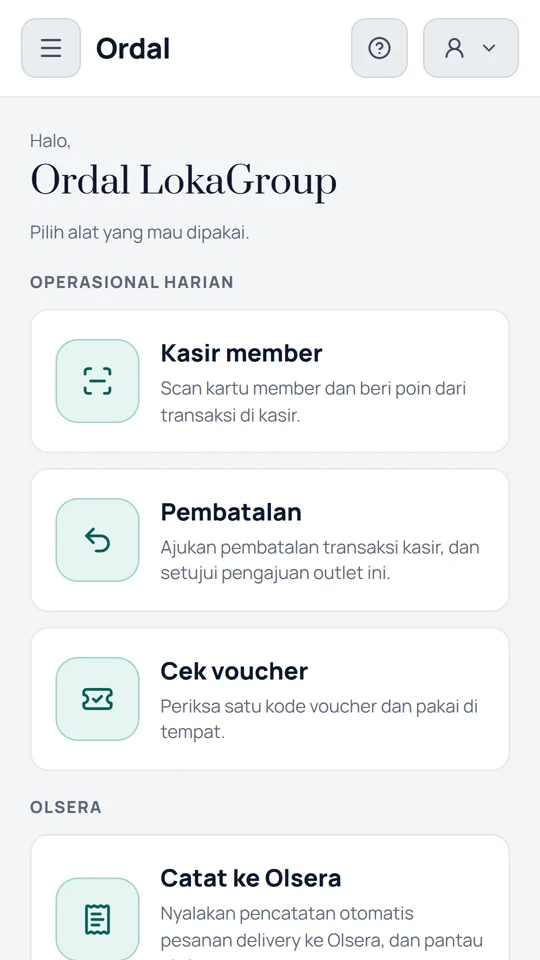
Stock in and out, recipes, outlet reports and the owner's view across brands, at ordal.lokagroup.id. It shares its code with the loyalty programme, which keeps its own database so points are never treated as money.
Delivery ordering
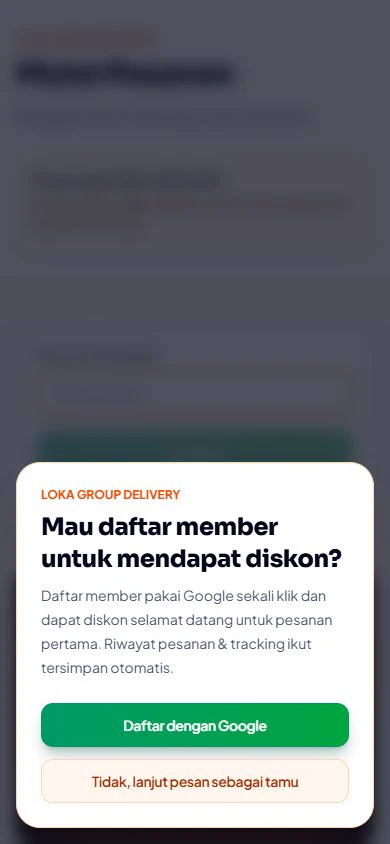
Customers order on the web and follow the driver on a live map. Orders reach the outlet's printer through a small Android print bridge, with no browser print dialog.
POS for outlets
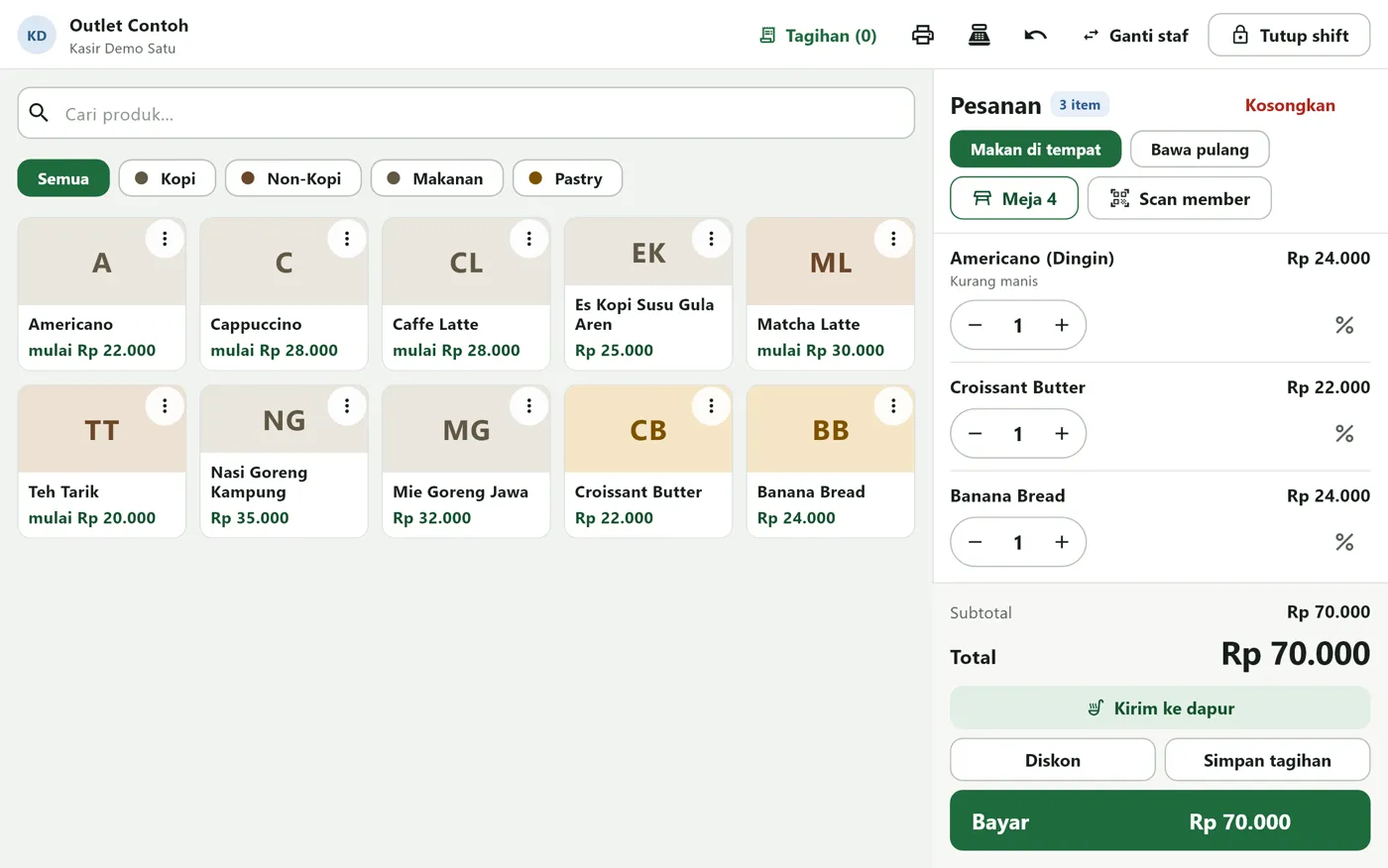
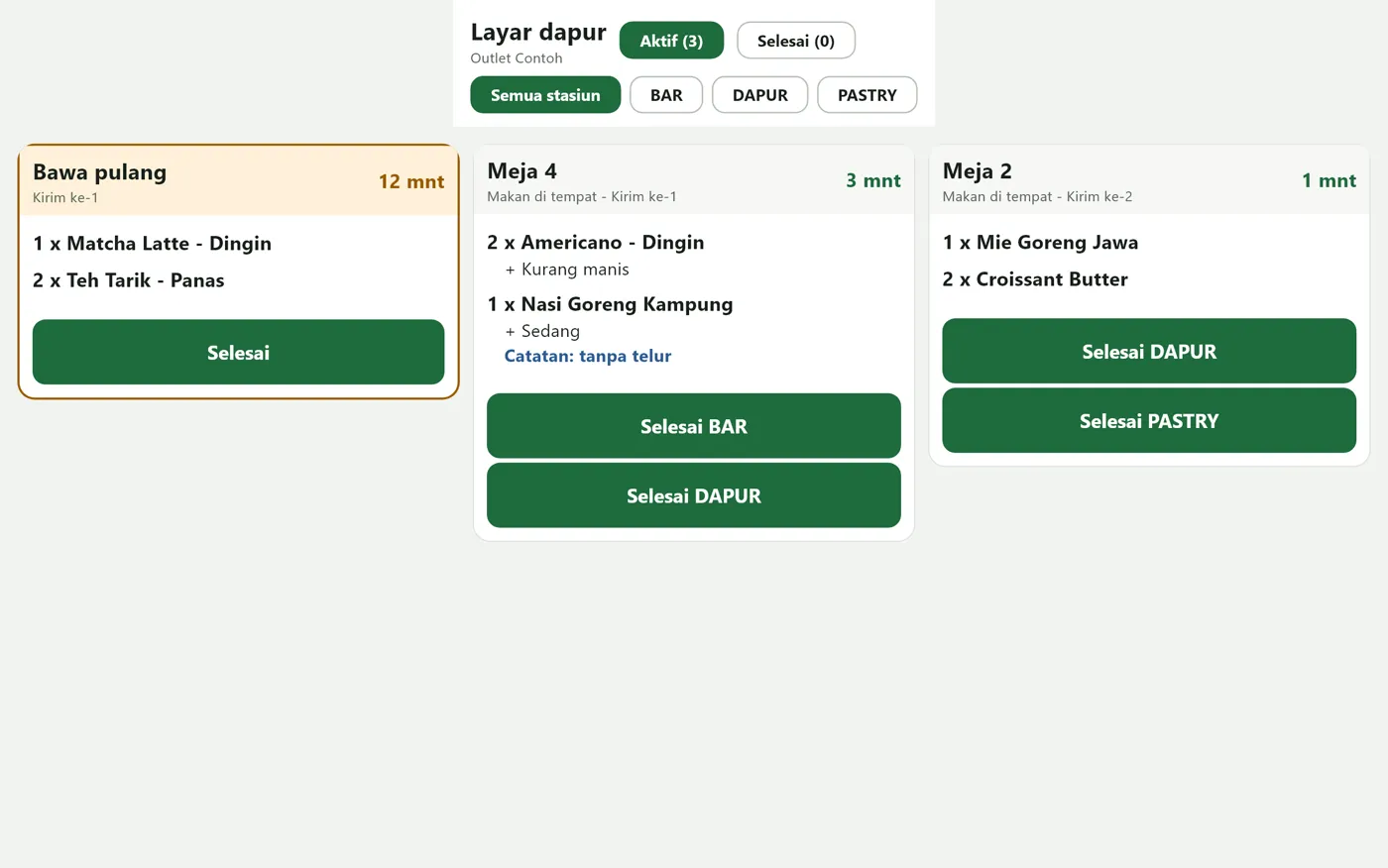
An offline-first Flutter cashier with tables, kitchen tickets per station, shifts and a manager console for menus, staff and approvals.
Gudang LKG, the central warehouse
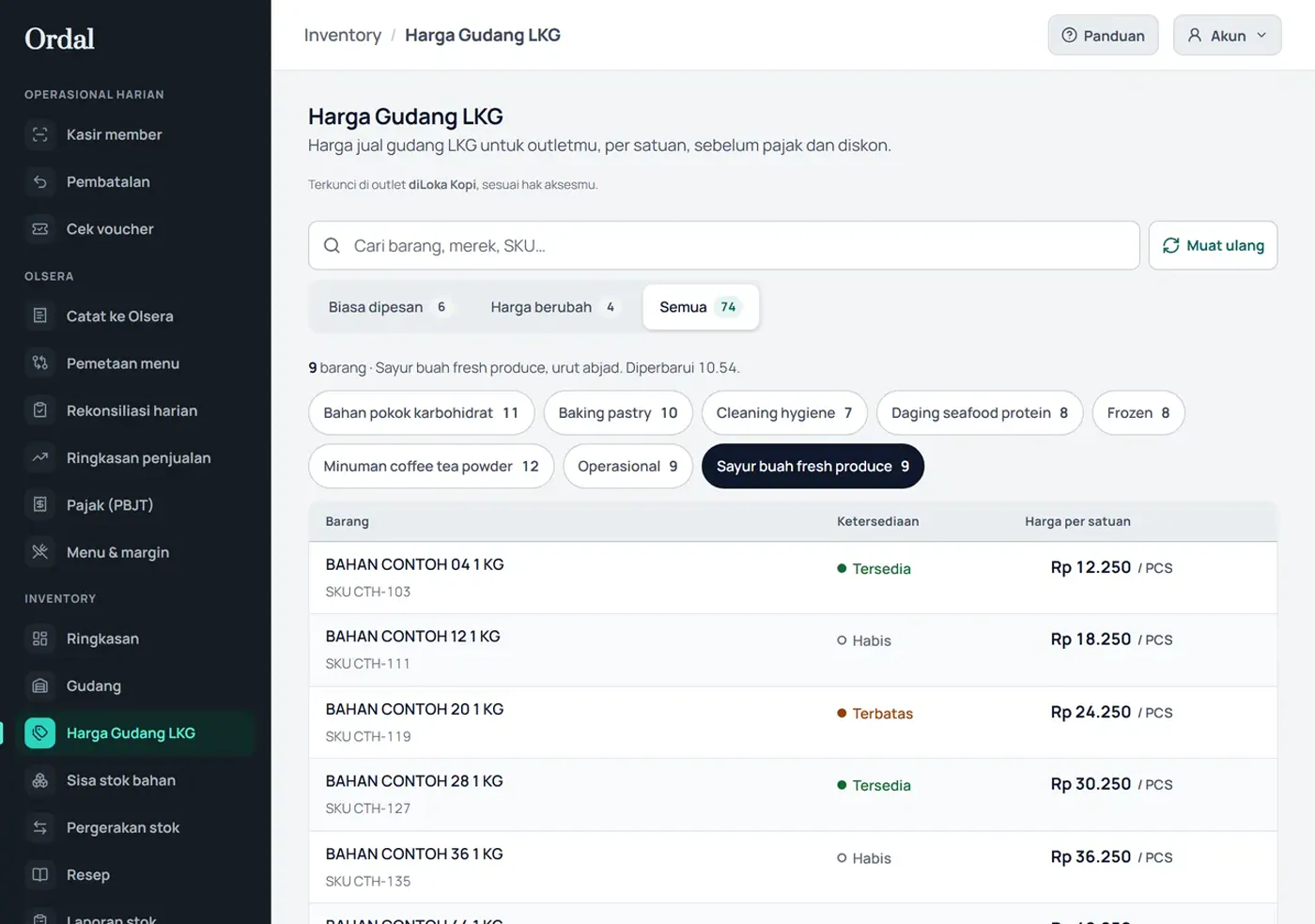
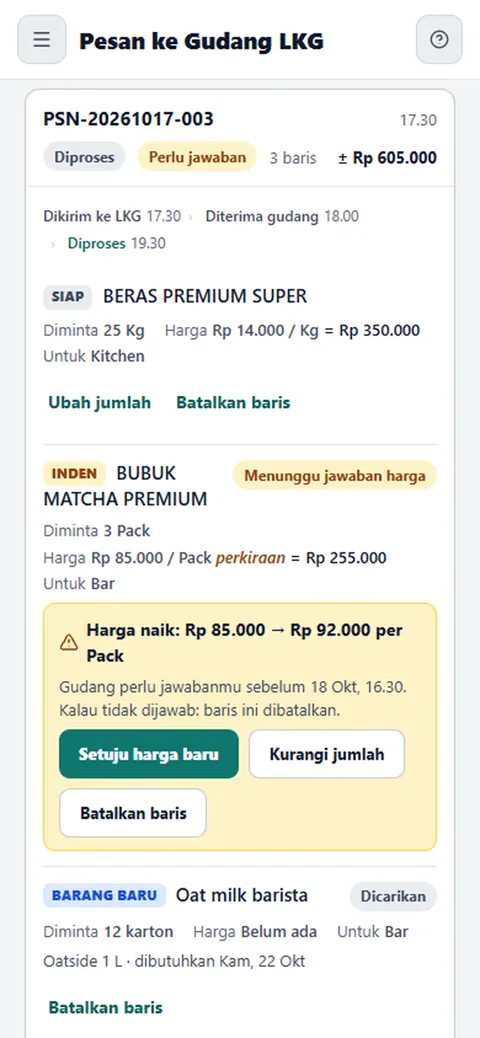
Warehouse V2 runs the group's central warehouse: invoices, receipts and stock on web, Android and Windows, in its own repository since September 2026. Outlets see its prices and order from it inside Ordal.
Attendance and HR
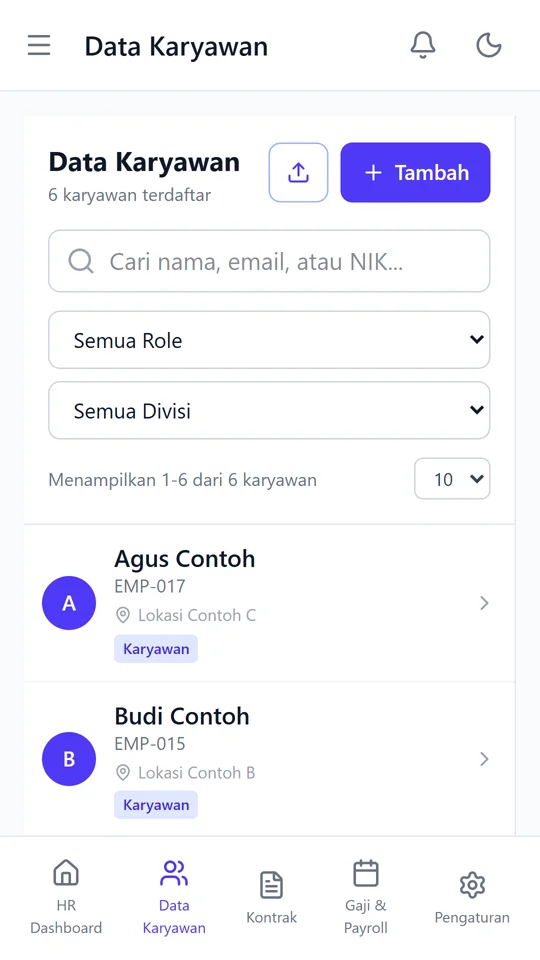
GPS and photo check-in for outlet staff, shifts and payroll inputs, with an admin web for HR.
WhatsApp operations bot
Shift-swap approvals and order reminders go out on WhatsApp from a bridge on my server, with a Telegram channel to recover it.
Brand sites and CMS
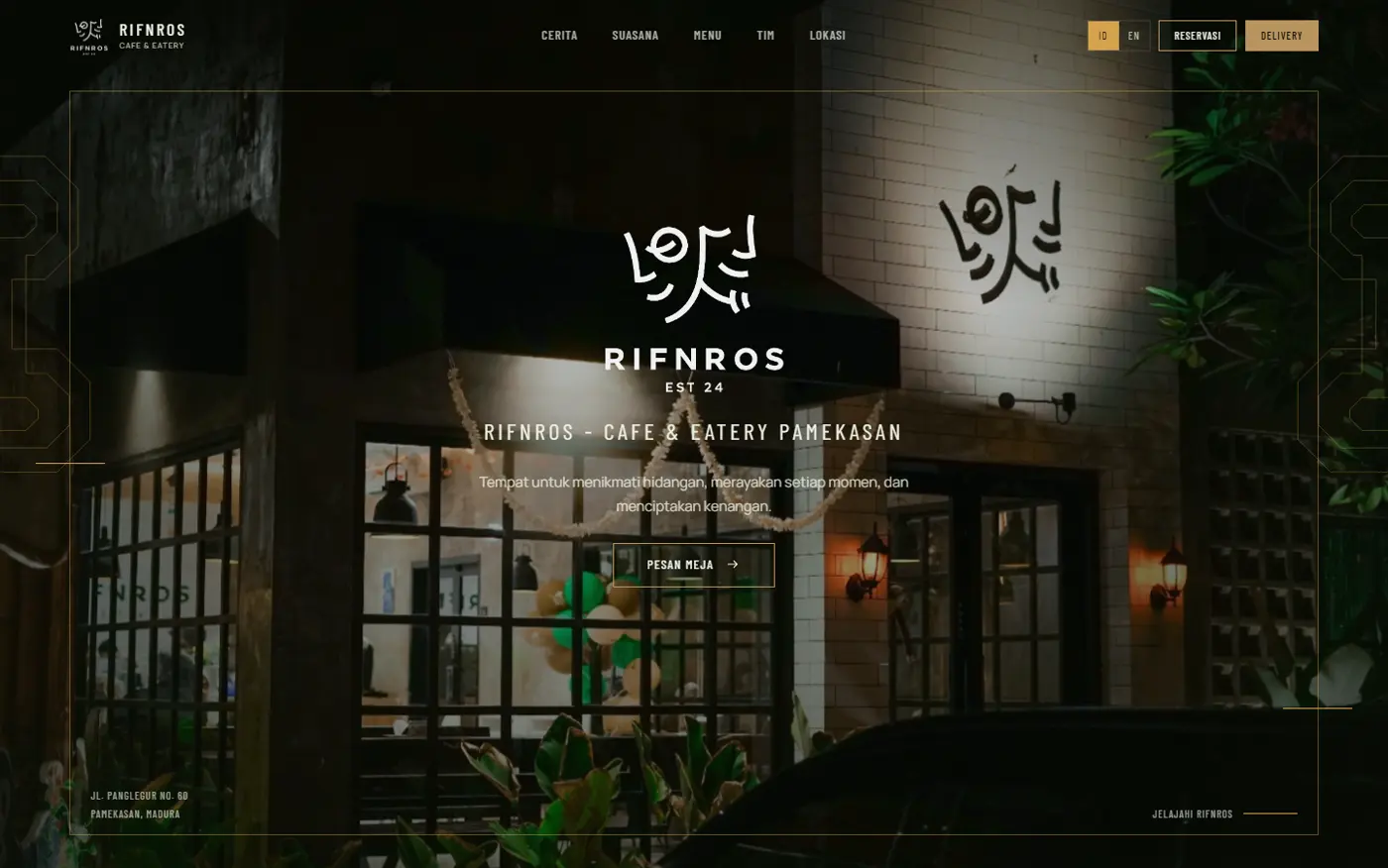
Each brand's landing page, bilingual, edited from one CMS.
What it adds up to
- 11
- Firebase Hosting sites from one backend
- 88
- Cloud Function deployments, 76 distinct functions
- 5
- brand sites went live together with delivery on 1 Aug 2026
- 7
- brands, roughly, share the same backend
Engineering notes
- One backend, many apps. Every app reads one Firestore project. Collections are namespaced per app and one set of security rules guards them, so a new app cannot read another's data by accident.
- Two kinds of login. Staff sign in with email and password, customers with Google and their WhatsApp number. Keeping the two apart stopped accounts from colliding and locking people out.
- Offline first at the till. The POS records sales in an encrypted local store when the connection drops and syncs them when it returns.
- Fewer paid reads. The WhatsApp bridge polls every five minutes instead of every minute, which cut database read billing without slowing reminders.